
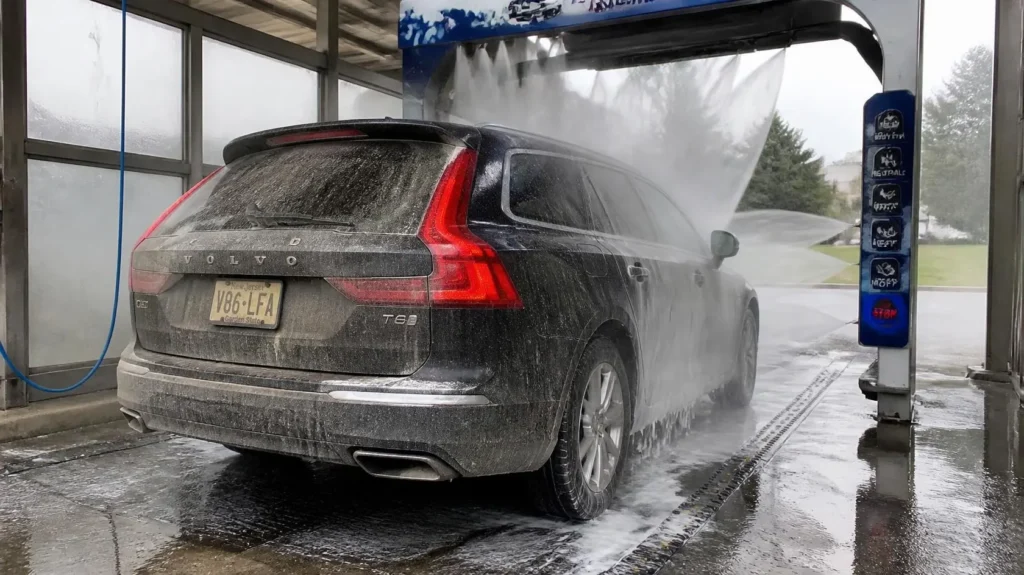
A dusty highway drive can leave a vehicle coated with fine dust, road grit, and microscopic particles that cling to the exterior. The buildup is often heaviest around the lower doors, wheel arches, mirrors, and rear section of the car.
A Touchless Highway Wash offers a practical way to loosen this contamination without immediately rubbing the paintwork. Using the right sequence can help reduce unnecessary friction while keeping the exterior looking fresh after a dusty journey.
Dealing With Highway Dust Buildup
Highway dust is more than a cosmetic nuisance. Fine particles can accumulate in seams, badges, panel gaps, and recessed areas, creating a gritty layer across the vehicle. Using effective Dust Removal Methods at this stage helps loosen contamination before it is physically moved across the paint surface.
A detailing specialist explains, “The safest way to wash a dirty vehicle is to remove as much loose contamination as possible before making contact with the paint.” This approach is particularly useful after long highway trips.
Identifying Heavy Dust on the Exterior
Look closely at the hood, roof, doors, rear bumper, and side panels. A dusty film may appear uniform from a distance but can contain tiny abrasive particles that become problematic when wiped aggressively. The darker the paint, the more visible these deposits may become. Light-colored vehicles can also collect substantial grime, even when the surface appears relatively clean.
Checking Areas With Trapped Road Particles
Road particles often settle in wheel arches, around door handles, behind mirrors, and along trim pieces. These locations can retain grit even after the main body panels have been rinsed.
Paying attention to these crevices helps prevent loose debris from being dragged across cleaner sections of the paint during subsequent washing.
Avoiding Unnecessary Surface Contact
Dry wiping is usually a poor choice when the vehicle is heavily dusty. Dragging particles across the paint can create fine marks that gradually reduce the clarity of the finish. Instead, begin with water or another appropriate touchless cleaning stage to dislodge as much loose material as possible.
Using A Touchless Wash Method
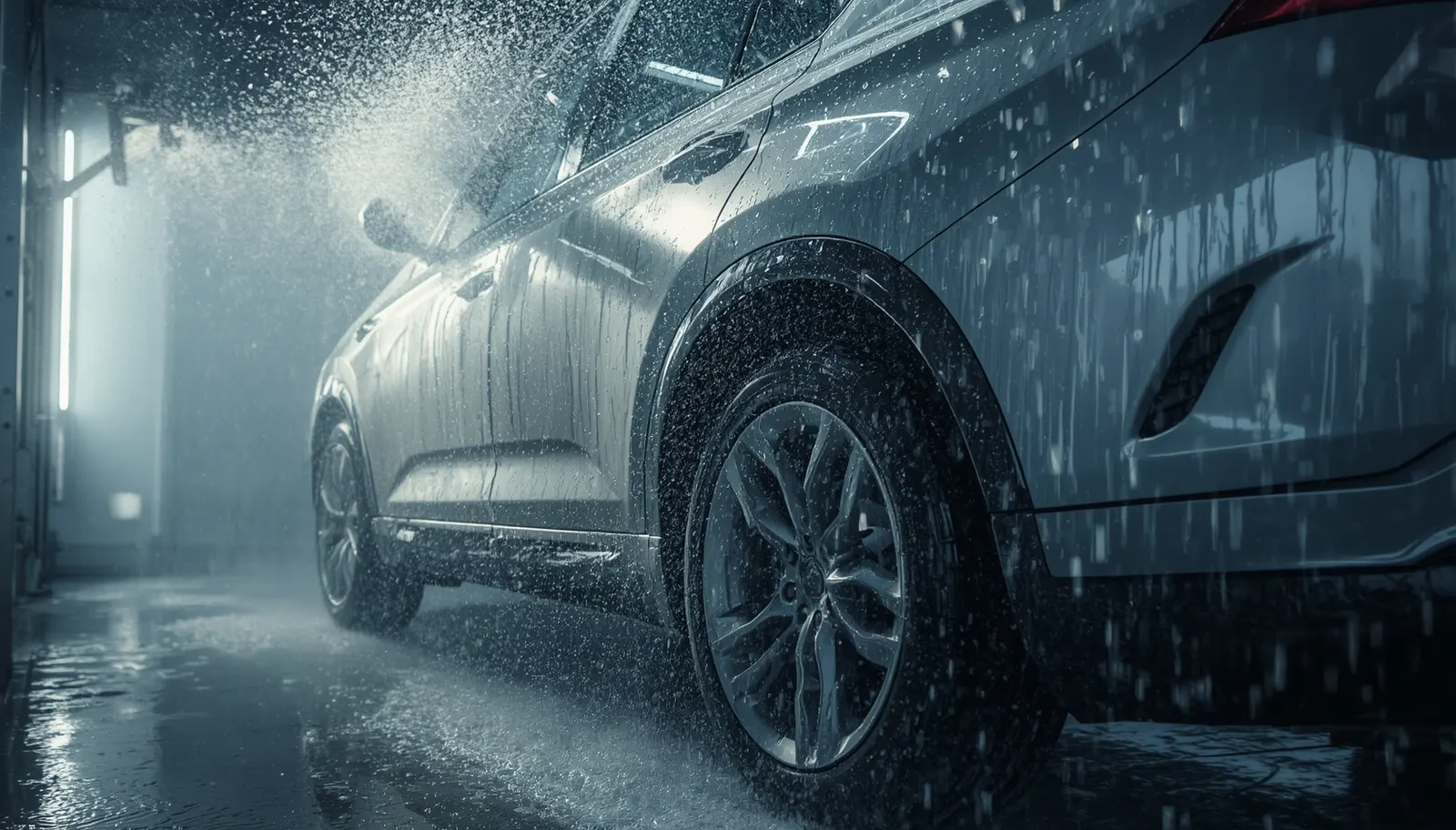
A touchless process relies primarily on water pressure and cleaning agents rather than direct agitation. It is particularly useful for removing loose highway dust before any optional hand-washing stage.
Rinsing Loose Dust From the Body
Start by thoroughly rinsing the vehicle from top to bottom. The roof and upper panels should generally be addressed before heavily contaminated lower sections. A generous rinse helps carry away loose dust instead of allowing it to remain on the surface while cleaning chemicals are applied.
Applying Suitable Cleaning Foam
A suitable pre-wash foam can help soften stubborn road film and suspend contaminants. Allow the product to work according to its instructions rather than letting it dry on the surface. The goal is not simply to create thick foam. Effective cleaning depends on allowing the solution to interact with the grime without excessive physical contact.
Removing Remaining Road Residue
After the foam has worked, rinse the vehicle thoroughly. Pay special attention to panel gaps, wheels, lower bodywork, and other areas where residue tends to accumulate.
This process helps reduce the amount of abrasive material left behind before the final drying stage.
Restoring A Cleaner Exterior Finish
Once loose contamination has been removed, the vehicle should have a noticeably cleaner and more uniform appearance. A careful finishing rinse can help prevent leftover cleaning solution from drying into visible spots.
Reducing Visible Dust Marks
Water spots and remaining streaks can become more noticeable when a vehicle dries in direct sunlight. Whenever possible, wash during cooler conditions and avoid allowing cleaning products to dry on the panels. A clean microfiber drying towel can be used when appropriate, provided the surface has already been sufficiently cleaned.
Maintaining A Cleaner Paint Surface
Regular washing prevents layers of road contamination from becoming increasingly difficult to remove. A clean exterior also makes future maintenance less laborious. Protective products such as suitable automotive sealants can further support easier routine cleaning, depending on the vehicle’s finish and maintenance preferences.
Making Post-Drive Cleaning Easier
A consistent touchless routine after dusty highway drives can prevent heavy accumulation. The sooner loose particles are removed, the less opportunity they have to become embedded in road film. For frequent highway travelers, keeping a simple cleaning schedule can make exterior maintenance considerably more manageable.
Keep My Car Cleaner After Highway Drives
Dusty highway journeys are unavoidable, but excessive paint contact does not have to be. A careful touchless wash can remove much of the loose contamination while reducing unnecessary rubbing against the exterior.
The key is simple: rinse thoroughly, use suitable cleaning foam, focus on contaminated areas, and avoid wiping a heavily dusty surface while it is still dry. With consistent care, a cleaner finish becomes easier to maintain after every long drive.


More Stories
Checking Luxury Car Door Scratches
My Car After Dent Removal
Car Exterior Care for a Clean and Polished Look